Week 3 - Reflecting on the Tech Demo
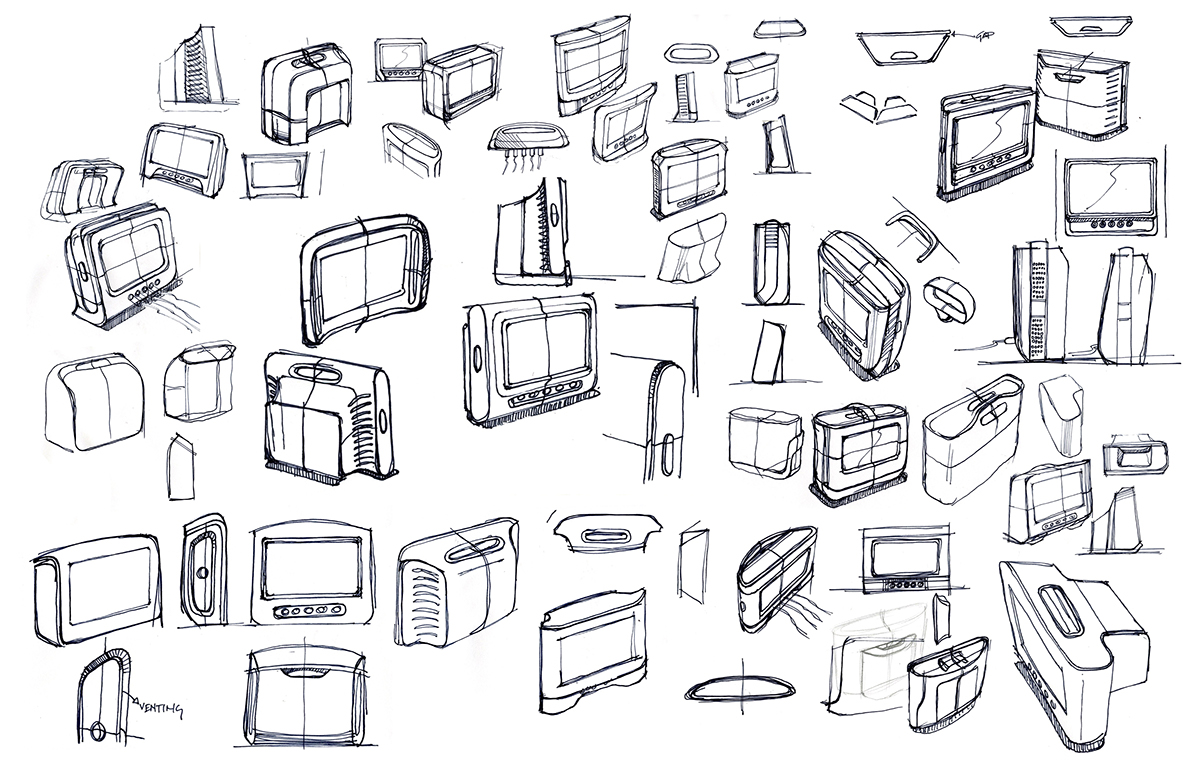
This week, I delivered my Tech Demo on physical prototyping as an alternative to the digital-focused approaches many of my classmates were exploring. I demonstrated cardboard prototyping techniques as a fast, low-cost, and iterative method for testing design ideas. The demo covered basic cutting, folding, and slotting methods, along with some tips on what makes good prototypes, and an interactive activity at the end to let my groupmates put these skills to use.
For the Experiment Ideation process, I continued developing ideas using the structured ideation methods from last week, particularly refining ‘What if?’ questions and exploring how my chosen materials could be adapted for broader accessibility applications.
Overall the Demo I thought was a success. It was good fun, and I think the physical aspect to it definitely added a point of difference to the other demos which I felt was refreshing and kept everyone engaged. Below are some summaries
During the demo, I ended up first talking about the importance of physical prototyping and what I was about to teach can be applied in practice before jumping to a number of different techniques followed by an exercise where they prototyped a phone stand. I decided to bring examples of the different cuts and encouraged peers to pass them around while I was presenting so they could get a better understanding of what was happening. The session ended with an open discussion where we talked about next steps in physical prototyping, which also elicited some discussion around where it could be used in our ideation exercises.
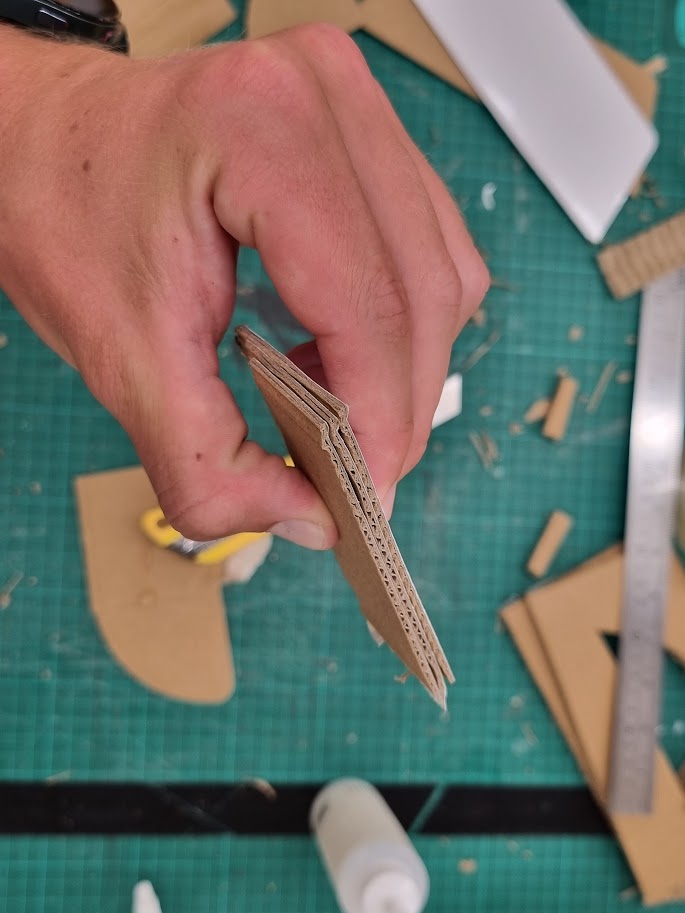
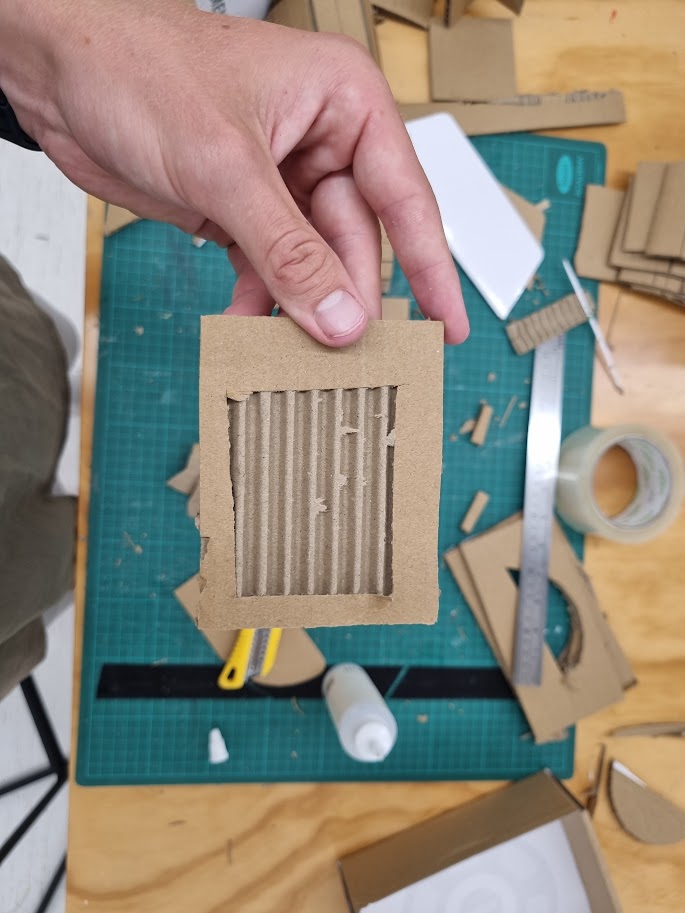
I ended up receiving some pretty useful feedback from my peers highlighting what they liked and what could be improved.




Through this session I was also able to sit through all of my groupmates' demos and definitely gained some inspiration. The demos included digital tools such as Unreal Engine, 3D modeling in Blender, and animation in Figma.
Figma
The Figma demos showed how quickly interactive prototypes could be created to test user flows before committing to a final design. I was especially amazed at how easy smart animations could be created. However having more control over the animation may be more work.
Blender
While the Blender tutorial was helpful, I already have experience using Fusion for 3D modeling so it wasn't as new to me as the other demos. I believe this tutorial ties in nicely with my physical demo as they are typically tools that are used in tandem.
Unreal Engine
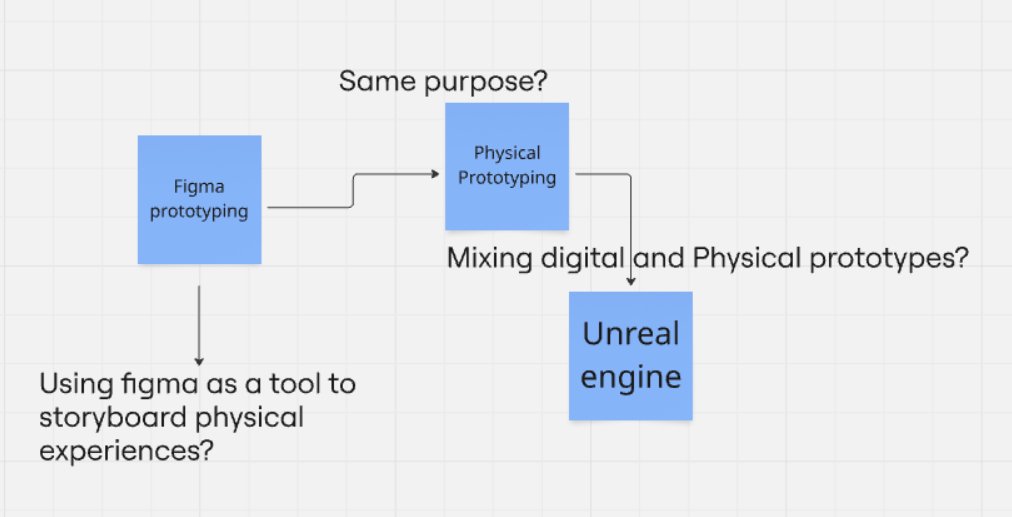
The Unreal Engine demo demonstrated how digital environments can create interactive experiences and simulations through a tutorial on making a simple beach. This made me consider whether a hybrid approach—using Unreal to test spatial interactions before physical prototyping—could be super useful.
This would mean using VR or AR tools to place my physical models into a digital environment to visualise them as a tool alongside real-world prototyping.
Overall, I think these Tech Demos reminded me that physical and digital prototyping are not competing methods, but are complementary tools that can work together to produce better design outcomes. In the future, I’d like to explore how integrating other digital workflows like AR or VR into my physical prototyping approach could improve iteration and some new ideas.
This week, I didn't engage in much hands-on ideation as I was focused on preparing and delivering my Tech Demo. However, I took time to reflect on the different approaches my classmates used in their demos and considered how they might intersect with my interests and relevant social movements.
I felt a mix of confidence and uncertainty going into the Tech Demo. While I was comfortable with the material, I wasn’t sure how the live demo would go. I really wanted to implement something hands-on, however 5 minutes really is no time to come up with a concept and make it. Once we got into our demos, however, I was at ease because we were so ahead of time. I was also encouraged that my groupmates wanted a few more minutes to finish building the phone stand as it showed genuine interest.
The peer feedback was largely positive, which gave me confidence in the effectiveness of the demo. However, some comments suggested that timing was a bit of an issue which I was afraid of. While I wanted to create an environment where you literally had to "Rapidly" prototype, 5 minutes clearly may have been too extreme. Likely, getting the participants to replicate a photo using the newly learned techniques (as suggested) could be more time-efficient.
Observing other demos, especially the Unreal Engine Demo was inspiring. I find it's the best feeling as a designer when lightbulbs start going off in your head when learning new information. Additionally, as suspected, I do feel the physical nature of my demo filled a gap in the range of techniques being explored in class which was great.
In terms of Experiment Ideation, I currently feel excited but somewhat overwhelmed by the number of possibilities. Because of the Tech demo I wasn't able to get much done in my ideation this week. I am a little worried about many of the options just not being actionable. Next week I will focus on narrowing down ideas into clear, actionable experiments.
What went well?
The interactive component of the Demo - engaged peers and helped them understand the advantages of physical prototyping.
Positive feedback - about the practicality and accessibility of the method, especially for those wanting to iterate quickly before committing to digital fabrication.
Gaining some new insights from the other demos - It was awesome getting some new ideas from the other demos to add to my ideation miro. I will definitely take note of them.
What could be improved?
Structured takeaway guide - during the feedback at the end, Raj mentioned it could have been useful to have a takeaway guide with step-by-step prototyping techniques to help him to remember the techniques. This also could have helped speed up the phone stand making activity.
Experiment Ideation Process - While it is progressing, I am finding it difficult to balance creative exploration with practical feasibility which is leaving me with a number of experiments far too out of scope and some far too safe.
The success of my demo was largely due to the hands-on nature of the tool, and interactiveness of the activity. People engaged more when they were given materials to experiment with, rather than just listening to an explanation. This highlighted the importance of interactive learning for me.
The weaker areas of my demo - such as timing issues - likely stemmed more from focusing too much on technical execution rather than just the activity at the end. Getting into the hands-on learning earlier may have helped hold engagement that bit longer.
Regarding Experiment Ideation, I realised that my challenge is in trying to let ideas develop organically. Looking at how my peers approached ideation—particularly those who were more speculative and playful—showed me that I need to allow the ideas to sit for longer before narrowing ideas down.
Overall this experience reinforced the importance of interactivity in engaging audiences, as hands-on participation made my Tech Demo more effective. Additionally, I need to become more patient in my ideation to allow more open-ended exploration to come naturally. Moving forward, I will integrate industry examples into future demos, provide a concise takeaway guide to reinforce learning, and I want to experiment with hybrid tools that allow me to blend physical and digital prototyping techniques.
Continue expanding ideation - Look into some of the new technologies I've learned from the tech demos and how they may be integrated with materials and movements in my miro.
Explore Hybrid Prototyping methods - Especially look at how hybrid prototyping methods could be of use - looking into VR/AR spaces in testing physical products.