Beach Wheelchair Kit
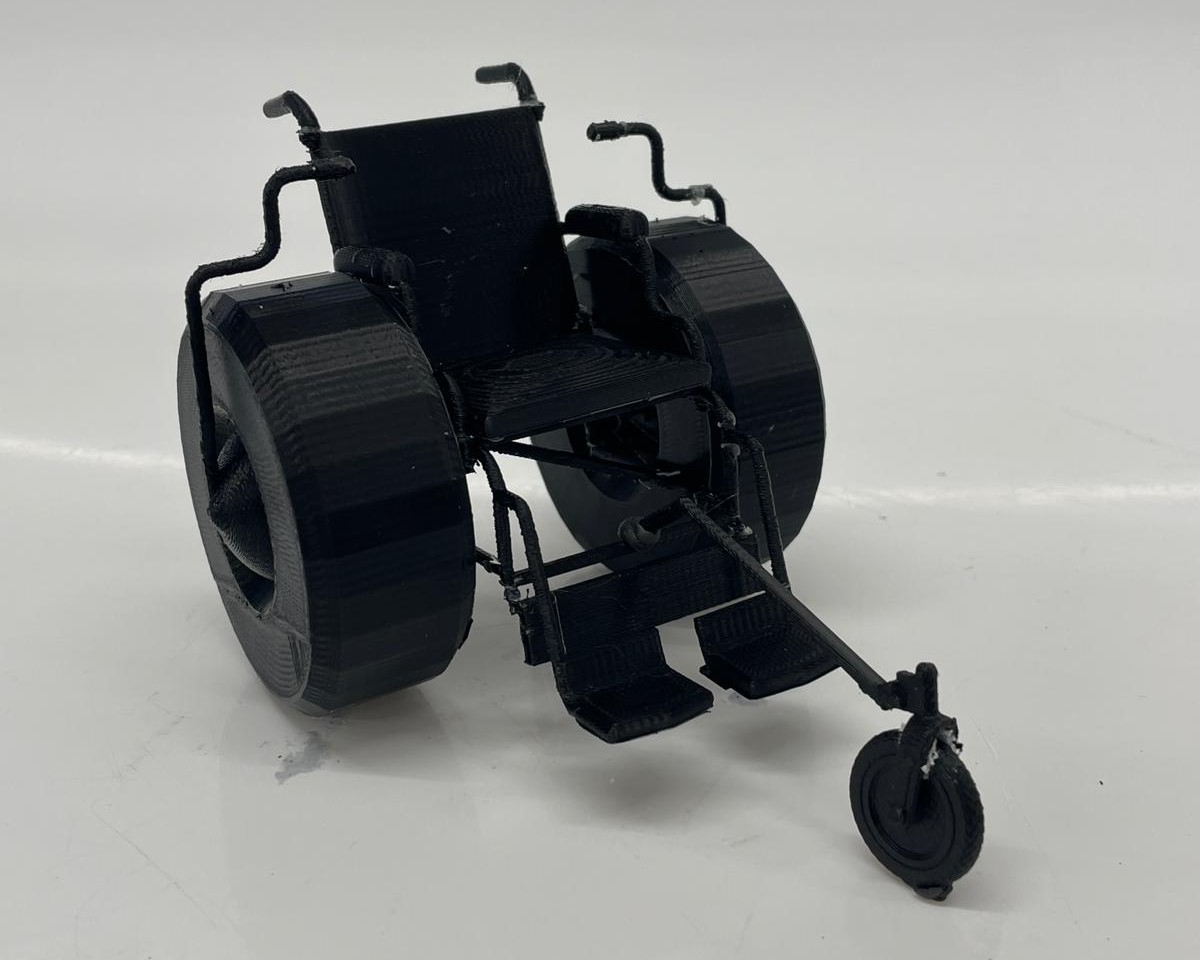
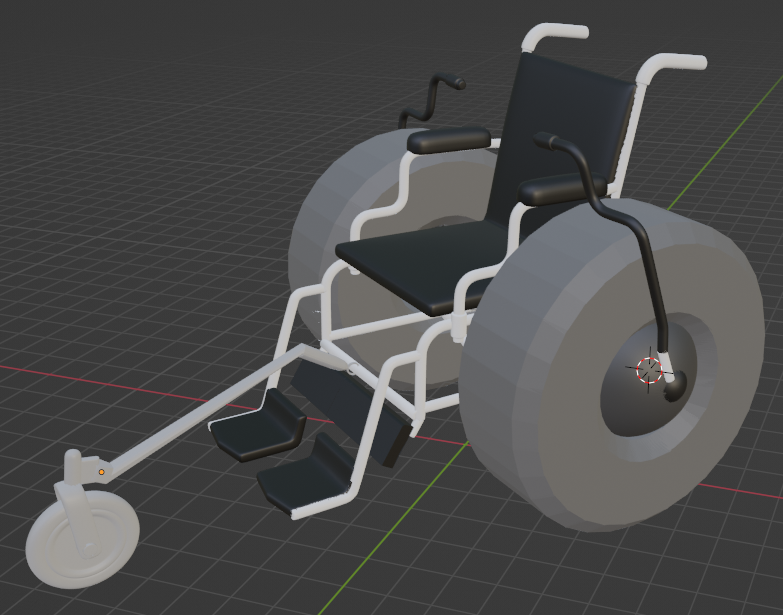
Through this project, I wanted to make the beach more accessible to wheelchair users in a country where beaches surround us. I therefore designed a more efficient and cost-effective way to enjoy our beautiful beaches across Aotearoa just as we do.

In 1975, my grandfather was in a car accident that left him paralyzed for life. As an avid outdoorsman and surfer, he had always loved the trips to our family house in Whangamata, and I can only imagine the mental toll this must have taken on him. Although he passed away the year before I was born, my father would often share stories about the challenges my grandfather faced as a wheelchair user.
With two young children—just four and two years old at the time of the accident—my grandfather, a large man at 6'2", found the beach nearly impossible to access in his wheelchair. The well-known disagreement between wheelchairs and sand meant that he simply couldn’t visit the beach until my dad was old enough and strong enough to push him down. Even then, it was exhausting for both of them, filled with frustration as they tried to navigate the soft, shifting sand.
At the time, I credited this to a lack of technology in the 80s. However, after exploring online through Facebook groups and articles, I was shocked to learn that many wheelchair users still face the same challenges today. While beach wheelchairs are available at some popular beaches, they’re often limited in number and inconvenient to access. Buying one outright is prohibitively expensive for many families, and with some of New Zealand’s most beautiful beaches being in remote locations, the issue becomes even more pronounced. For far too many wheelchair users, enjoying these stunning natural spaces is simply out of reach.
At the outset of this project, I didn't have a clear idea of how this problem could be improved. I decided to do both some precedent research online, and some in-person research to explore how currently wheelchair users were navigating beaches and their real pain points. After taking a trip to the beach with 3 participants to some of our more popular beaches on the Coromandel and in Auckland, I looked to find some of the key challenges and workarounds employed.
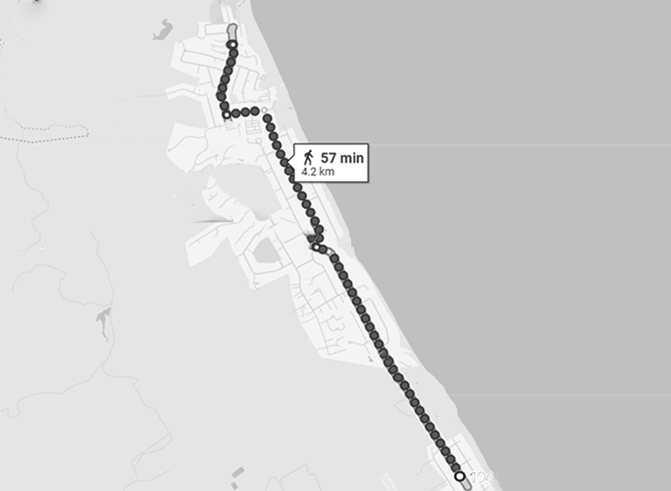
One thing I noticed was that the beach wheelchairs you could use at the beach were inconveniently far from where we were staying. Meaning a long and tedious trek to hire the wheelchair that would be almost impossible without an accessible vehicle.

At more populated beaches, often all of the wheelchairs were always in use. While the setup in Whangamata had a large number, they required registration and advance booking that limited spontaneity.
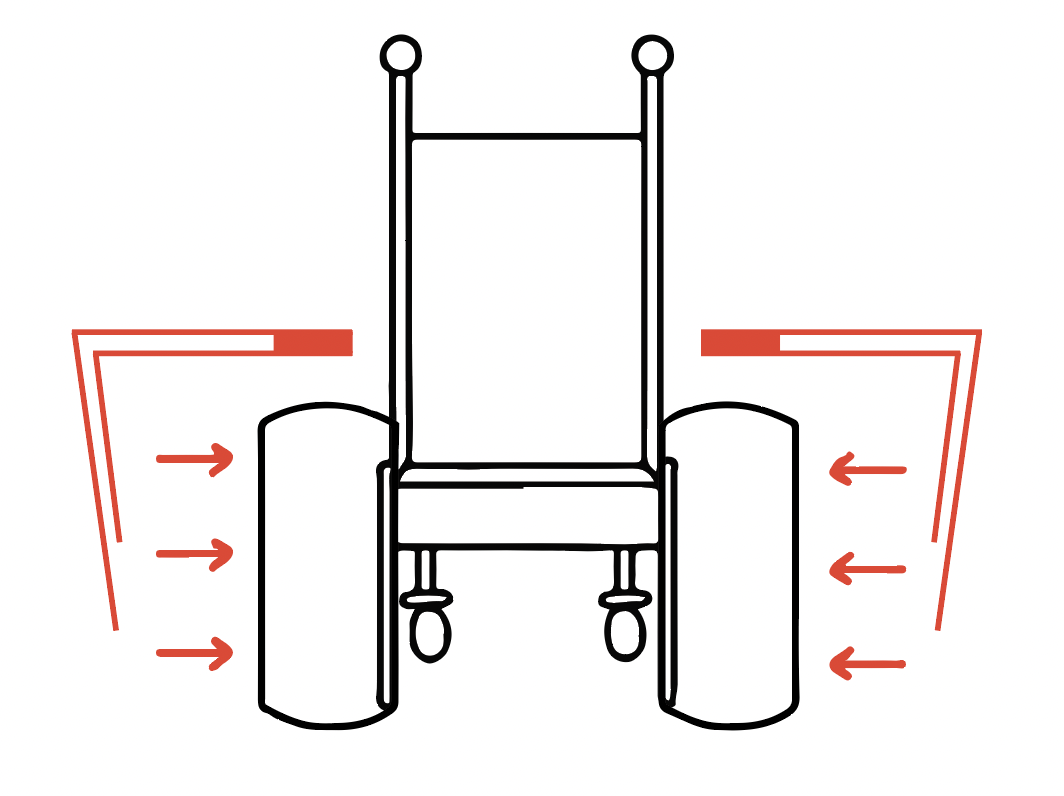
We had to push the participants on the sand, making the experience more labor-intensive and less enjoyable for everyone. 2 of the participants were paraplegic and enjoyed moving around themselves. However, the sand was too difficult, and the balloon wheels were too large to push.

While Whangamata had a volunteer organisation set up for wheelchair users to make the beach more accessible, in Auckland, the wheelchairs would cost $50 for half a day. 2 of the participants mentioned they simply wouldn't pay this or would only pay on large beach days with friends. The other participant mentioned they don't attend the beach enough for the price to be an issue.
Lorem ipsum dolor sit amet, consectetur adipiscing elit. Suspendisse varius enim in eros elementum tristique. Duis cursus, mi quis viverra ornare, eros dolor interdum nulla, ut commodo diam libero vitae erat. Aenean faucibus nibh et justo cursus id rutrum lorem imperdiet. Nunc ut sem vitae risus tristique posuere.